
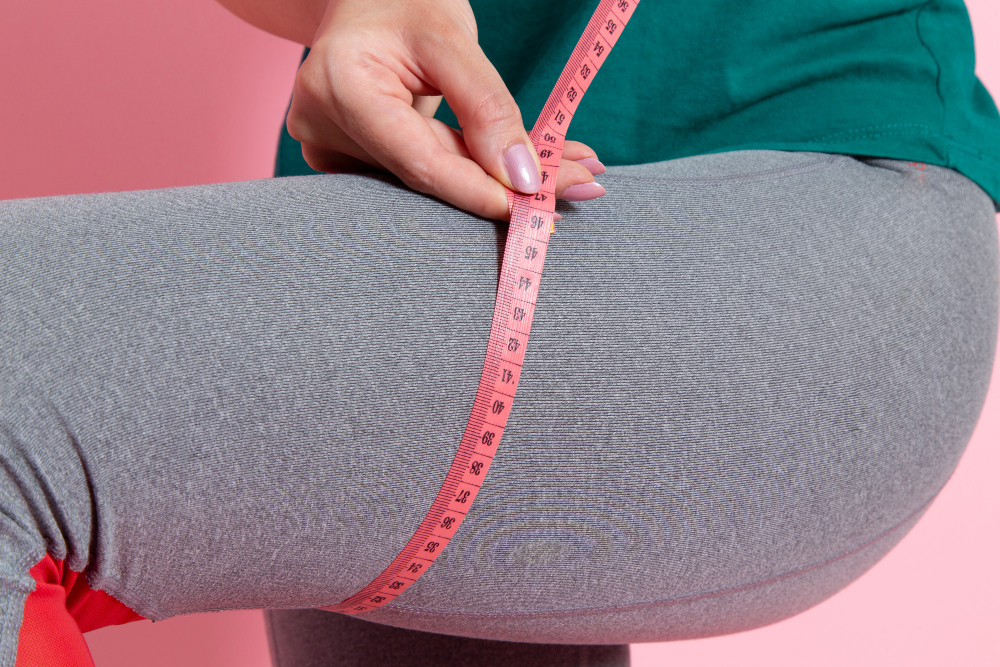
What Is Thigh Liposuction?
Thigh liposuction is a type of plastic surgery for thighs. It removes extra fat from the inner or outer thighs. As a result, many people choose this treatment to shape their legs and feel more confident. Thigh liposuction can help when diet and exercise do not work. In many cities, thigh liposuction is a popular choice for body contouring. Doctors use safe methods to remove fat and improve the look of your thighs.
Differences Between Inner and Outer Thigh Liposuction
Both inner and outer thigh liposuction target fat, but they focus on different areas. For example, inner thigh contouring shapes the space between your legs. On the other hand, outer thigh fat removal smooths the outer curve of your thighs. Each area may need a different approach. While inner thigh liposuction can help stop rubbing or chafing, outer thigh liposuction often targets “saddlebags.” Your doctor will suggest the best option based on your needs.
Common Symptoms or Concerns Leading to Thigh Liposuction
Many people seek thigh liposuction due to certain concerns. For instance, you may notice:
Because these issues can affect self-esteem, many choose thigh contouring to feel better about their appearance.
Causes of Stubborn Thigh Fat
Stubborn thigh fat can come from many causes. For example, genetics play a big role. Some people store more fat in their thighs due to family traits. In addition, hormones can affect where your body keeps fat. Age, lifestyle, and lack of exercise also make a difference. Even with a healthy diet, some fat may stay in the thighs. According to the CDC, a mix of factors can lead to fat that is hard to lose.
How Thigh Liposuction Is Diagnosed and Evaluated
Before thigh liposuction, doctors do a careful evaluation. First, they review your health history. Next, they check your skin and fat levels. They may also take photos for planning. During your visit, you can discuss your goals and concerns. Your doctor will explain if you are a good candidate for inner thigh contouring or outer thigh fat removal. Sometimes, they may suggest other options if liposuction is not right for you.
Treatment Process and Surgical Techniques
Thigh liposuction uses small cuts and a thin tube called a cannula. The doctor moves the cannula under your skin to remove fat. There are several techniques, such as:
Most people go home the same day. However, your doctor will give you clear instructions for care.
Recovery, Risks, and Possible Complications
After thigh liposuction, you may have swelling, bruising, or mild pain. Usually, these symptoms get better in a few weeks. You may need to wear a special garment to help healing. Although most people recover well, there are some risks. For example, infection, uneven skin, or numbness can happen. Rarely, more serious problems may occur. The American Society of Plastic Surgeons notes that choosing a skilled doctor lowers these risks.
Lifestyle Guidance Before and After the Procedure
Before thigh liposuction, healthy habits can help you prepare. For instance, you should:
After surgery, follow all care instructions. You may need to rest and avoid hard activities for a short time. Drinking water, eating well, and gentle walking can help you heal faster. Because recovery is important, always check with your doctor before returning to normal activities.
Prevention of Fat Accumulation in Thighs
While thigh liposuction removes fat, it does not stop new fat from forming. Therefore, healthy habits are key. To help prevent fat from returning, you can:
Because everyone’s body is different, talk to your doctor about the best plan for you. With the right care, you can enjoy long-lasting results from thigh liposuction, consult Ramneesh Garg for customised plan.